

3 August
Announcing the winner of the Astley Prize 2026
The Astley Prize returned for a second year, inviting submissions inspired by the theme "A Sense of a Place". The Astley Prize was established in memory of Veyatie Astley, a talented young local writer, who, through this prize, continues to inspire new works of writing.
This year, the Astley Prize invited multi-award-winning short story writer, Sarah Hall to judge the award. Hailed as “a writer of show-stopping genius” and twice shortlisted for the Booker Prize for Fiction, Sarah has produced seven acclaimed novels and three short-story collections. She is also the only writer ever to win the BBC National Short Story Award twice, first with Mrs Fox in 2013 and then again in 2020 with The Grotesques. We are incredibly grateful for Sarah's contribution to the judging of this prize. The Nairn Book & Arts Festival also thanks Caitlin Oglivie for assisting in the long-listing of the prize entries.
Reflecting on this year's entries, Sarah says:
"What a joy it was reading so many stories that evoke the spirit of place, and follow the lives of so many varied characters. I was transported, not only through a richly described Scotland, but across oceans and into the skies, through farmland and urban centres. Some of these stories de-centre the human perspective, so that location is itself the narrative framework, the main protagonist, while others show how the attributes and qualities of a place influence human existence. There were sites of recovery and imprisonment, buildings and landscapes with uncanny powers. There was immense creativity and range in the entries, and I’d like to thank everyone who entered.
Short stories are very hard to write — balancing all their parts and creating small gem-like worlds, moving the drama forward efficiently while leaving space for the reader to interpret, to wonder, and to be haunted, is a hugely difficult trick. But the overall quality was very good, and it’s wonderful to know there are writers out there working passionately and skilfully within this form. In the end, the stories that rose to the top were the ones that understood how to create an activated, focused, manifested world, as well as a concentrated piece of drama belonging to a protagonist, with character interplay, landscaping, atmosphere and narrative payoff.
FIRST PRIZE: Issariya Morgan
Autobiography
Sarah Hall's comments:
This story is such a worthy winner and had me turning the pages with relish. There’s a mystery at the heart of it that is slowly revealed through skilful character development, and a growing, but understated disquiet. The author creates superb intrigue, pace and drama and really knows how to lead the reader on an engaging narrative journey, seeding clues, wrong footing expectations, and finally rewarding us with a brilliant denouement and a loop-back frame. The piece is confident, careful and ambitious, with beautiful, clear prose and a balanced structure that is very satisfying — it’s a pleasure to read, and a great example of how subversive, compressed and beguiling the form can be. Bravo!
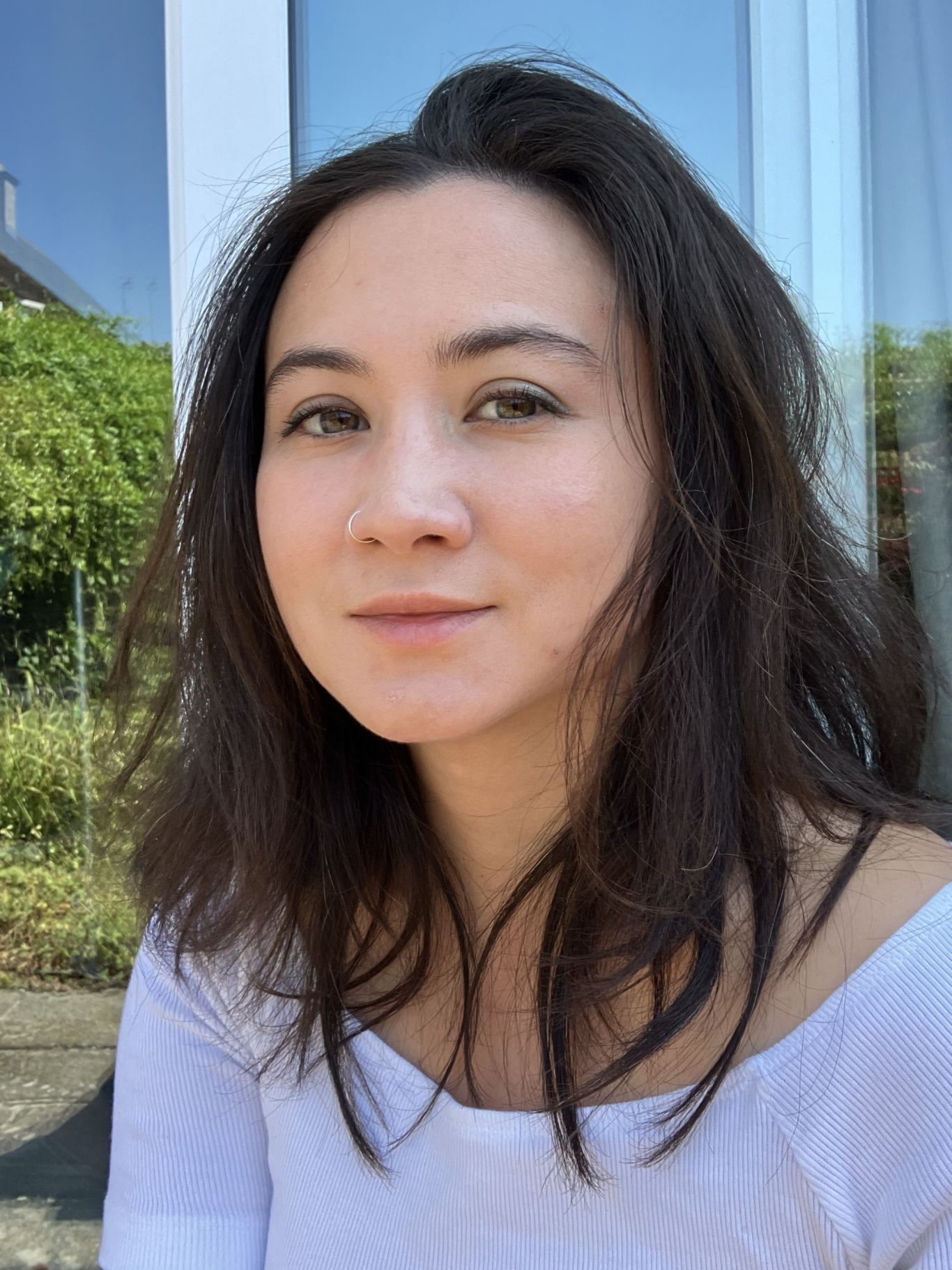
Issariya Morgan is a freelance writer and ceramic artist from West Wales. She frequently finds inspiration in visual art, music and cinema, alongside landscape and folklore. She enjoys writing short fiction that explores hidden boundaries, in which interior and exterior worlds collide. Alongside the Astley Prize, she is a finalist in the 2026 Rhys Davies Prize.
RUNNER-UP: Ben Tufnell
House and Passage
Sarah Hall's comments:
I loved the boxed narrative device in this story, the unusual angle of allowing a place to be the main character and to narrate its change over time. Each new tale is like a gift born from the last, linked and reflecting history, telescoping forwards, and by the end of the piece there is the sense of metaphysics, a piece of fiction greater than the sum of its parts — one of the central tenets of the form. The writing style is well calibrated, descriptive and evocative, but succinct
and exacting. It is all held together by the construction and deconstruction of the house, the act of imagination itself, which is a lovely, clever idea.
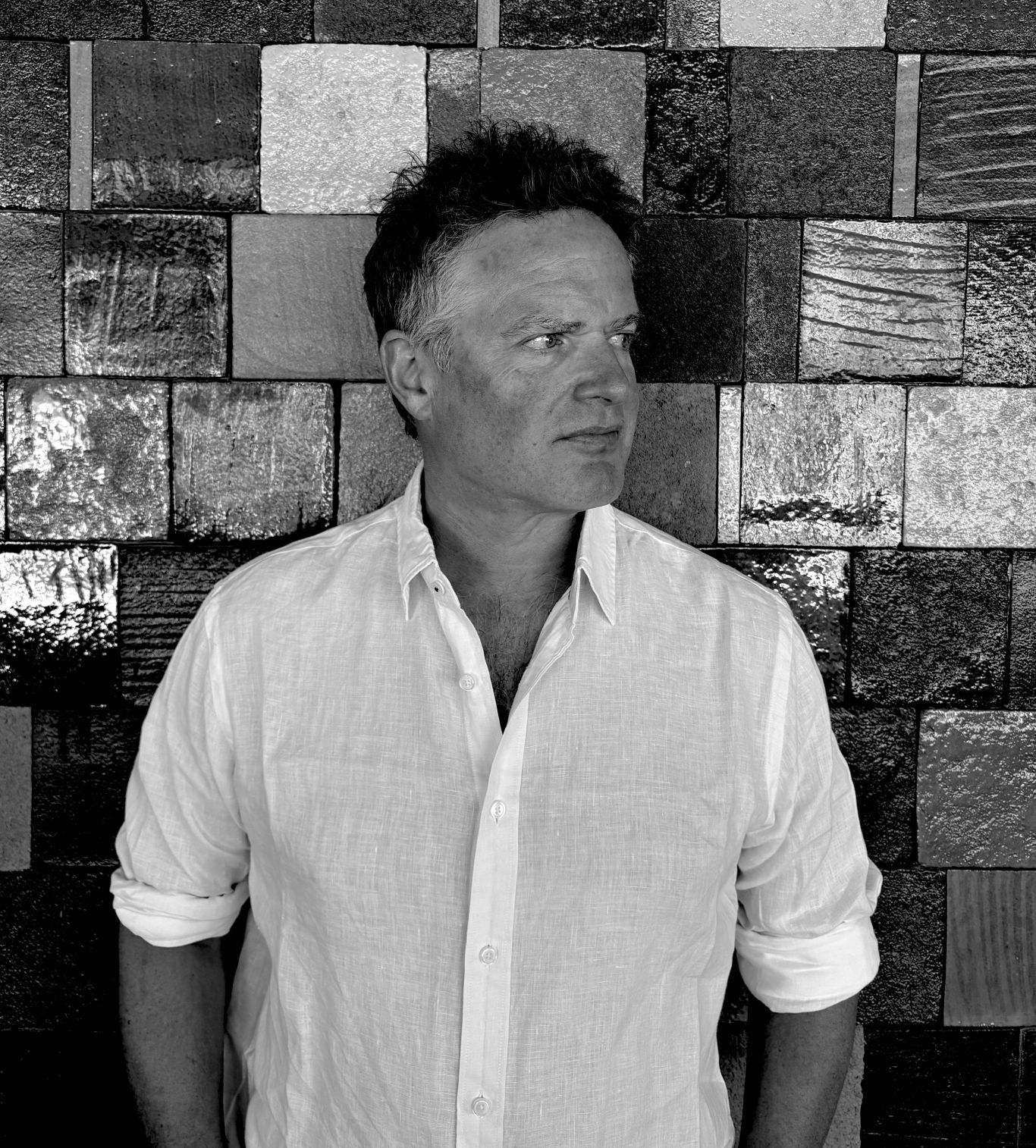
Ben Tufnell is a writer and curator based in London. His stories have appeared in Best British Short Stories 2024, Conjunctions, Interzone and The Los Angeles Review amongst others. He is the author of two novels, The North Shore (Fleet, 2023) and Paradise (Influx Press, 2026). His debut collection of short stories, As If, will be published by Influx Press in 2027.
Photo credit: Cecilia Gregory
RUNNER-UP: Hanna Louise
The Swim Teacher
Sarah Hall's comments:
A really well written and immersive piece that works on several levels, telling the recovery stories of its main characters in an interwoven, dual way. There’s a finely wrought realism in the writing, a lightness of phrasing and a poetic ability to render both the physical world and the interiority of characters, which is a rare quality. It’s a very transporting story that creates a psychological hinterland around its drama and the ending reaches for something not always found within the dark reaches of the form, and therefore surprising — hopefulness.
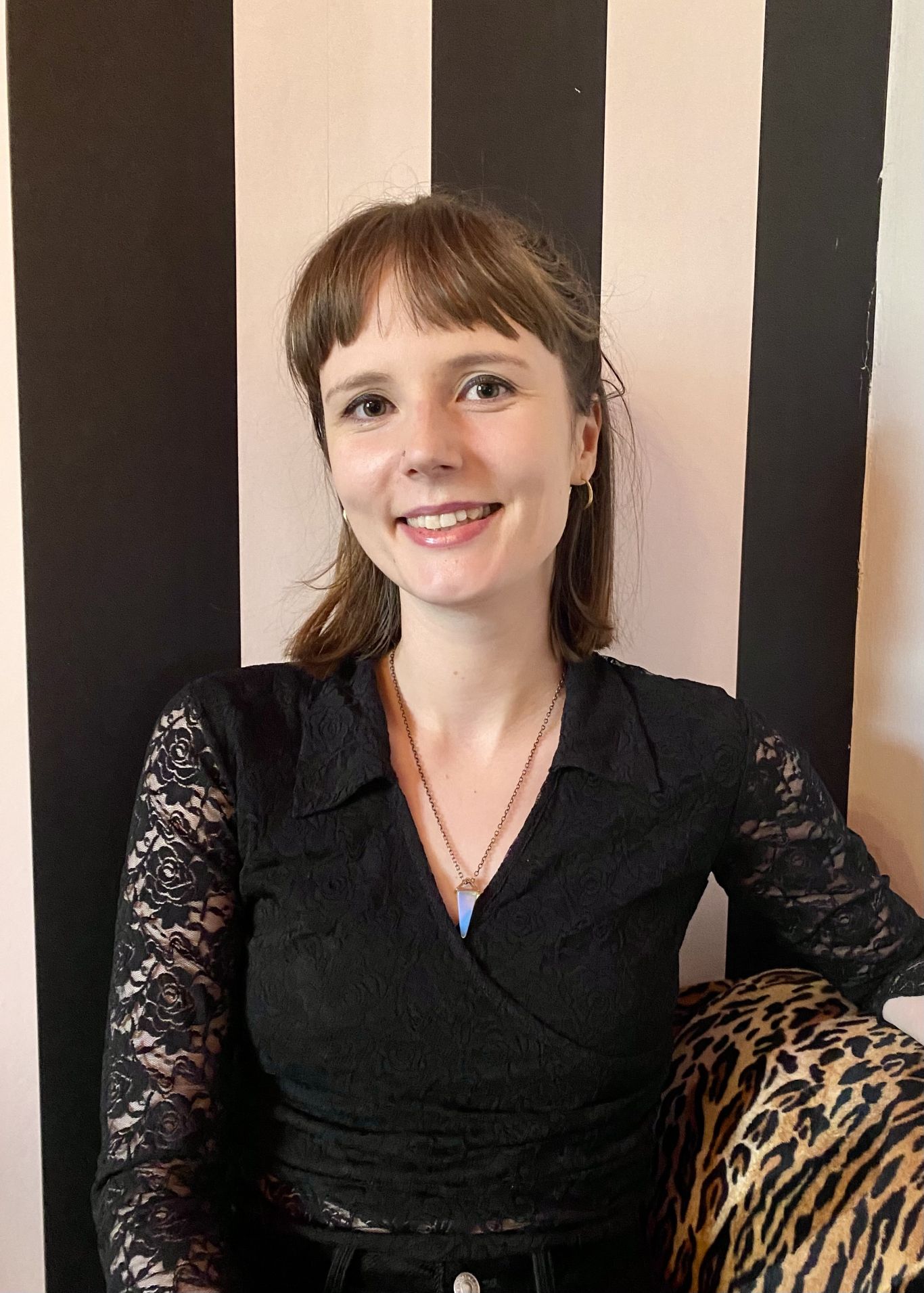
Hanna Louise is currently completing an MLitt in Creative Writing at the University of Glasgow. Her short fiction has been published by From Glasgow to Saturn, and she has written features for Somewhere for Us. In 2021, she won the Scottish Mental Health Arts Festival’s writing competition.
In a strong field, three stories were highly commended:
The Field by Willie Orr. Willie worked as a shepherd until a tractor accident brought that way of life to an abrupt end. He enrolled in Stirling University as a mature student, graduated in History and published two non-fiction books, including ‘Deer Forests, Crofters and Landlords.’, but he was drawn to creative writing, studied that with Open University, and published short stories with Harper Collins and various journals, while working as a counsellor with disturbed children.
Awarded a Writer’s Bursary by the Scottish Arts Council, he published his first novel ‘MICK’ in 2019, the story of a cruelly fostered boy. This was followed by ‘SHIABA’, set in the Isle of Mull during the potato famine of 1846. It was developed into a trilogy with an audiobook. Another novel is due to be published in 2027.
The Bridges by Caitlin Upshall. Caitlin Upshall is writer and composer drawn to stories that explore uncomfortable emotions in liminal spaces. She was the winner of the 2025 Oxford-BNU Creative Writing Award, has been longlisted twice for the Commonwealth Short Story Prize, and her work has been featured in The McNeese Review, the tiny journal, and Oyedrum, among others. When she’s not writing, she enjoys most things dinosaur-related and trivia nights. You can find her on Instagram at @CaitlinUpshall or at www.caitlinupshall.com.
The Shell House by Lorna Fraser. Lorna Fraser lives in Moray, where she finds inspiration in the hills and forests and rivers and coastlines. She writes short fiction featuring wise women and sometimes vengeful vixens. Her stories have been published in anthologies, broadcast on local radio, and placed in many competitions, including winning the RCPSG Prescription Prize in Creative Writing and the Weald & Downland Living Museum Historical Short Fiction prize. Lorna has published a short story collection entitled ‘ill-divided world & other stories'. Her mind is currently occupied with plotting a novel of intrigue, love and revenge set in the Royal Court of 15th-century France.
Many congratulations to all our winners and thank you to all who entered your stories. Competitions such as this are just one step in a writer's journey, and we encourage writers to keep telling the stories only you can tell. We look forward to inviting more short-story writers to enter the Astley Prize in 2027.
 PREVIOUS ARTICLE
